How Much Does It Cost to Lease Commercial Space in Dripping Springs, TX?
If you're thinking about opening a business, expanding your current location, or relocating to Dripping Springs, one of your first questions is probably: How much does it cost to lease commercial space?
The answer depends on several factors, including location, square footage, property type, lease structure, and the condition of the space.
As Dripping Springs continues to grow, understanding commercial leasing costs is an important part of making informed business decisions.
Here's what local business owners should know before signing a commercial lease.
Understanding Commercial Rental Rates
Unlike residential rentals, commercial properties are often advertised using an annual price per square foot.
For example, if a property is advertised at $30 per square foot annually and you're considering a 1,500-square-foot space, the base rent would be calculated as follows:
1,500 square feet × $30 = $45,000 annually.
That equals $3,750 per month in base rent.
This is an illustrative example, not a verified current Dripping Springs market rate.
Depending on the lease structure, your total monthly cost could be considerably higher.
What Is a Triple Net Lease?
One of the most common terms you'll encounter when researching commercial property is NNN, which stands for triple net.
Under a typical triple net lease, tenants pay base rent plus their allocated share of certain property expenses.
These expenses generally include property taxes, building insurance, and common area maintenance.
For example, a business might have a base rental rate of $30 per square foot annually, with an additional $8 per square foot in estimated NNN expenses.
For a 1,500-square-foot space, the combined estimated annual cost would be $57,000, or $4,750 per month.
Again, these numbers are hypothetical.
Actual expenses depend on the property, lease agreement, and annual operating costs.
Before signing, request a detailed breakdown of estimated NNN charges and ask how future increases are handled.
Location Makes a Difference
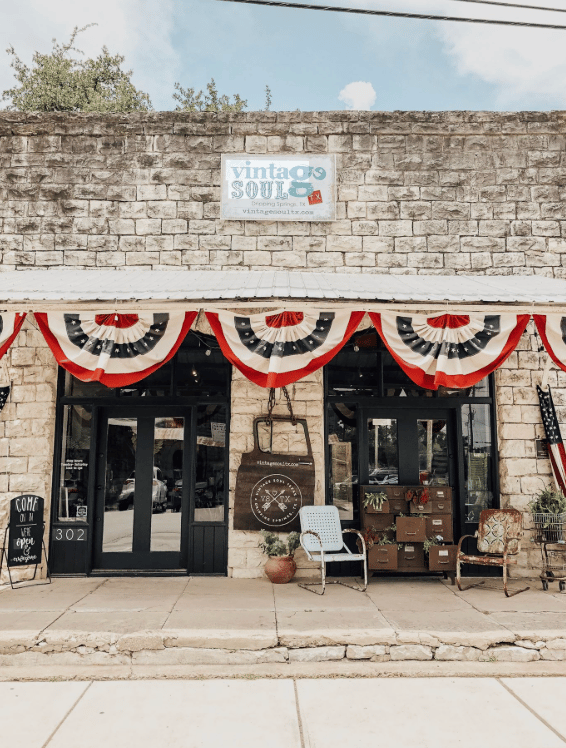
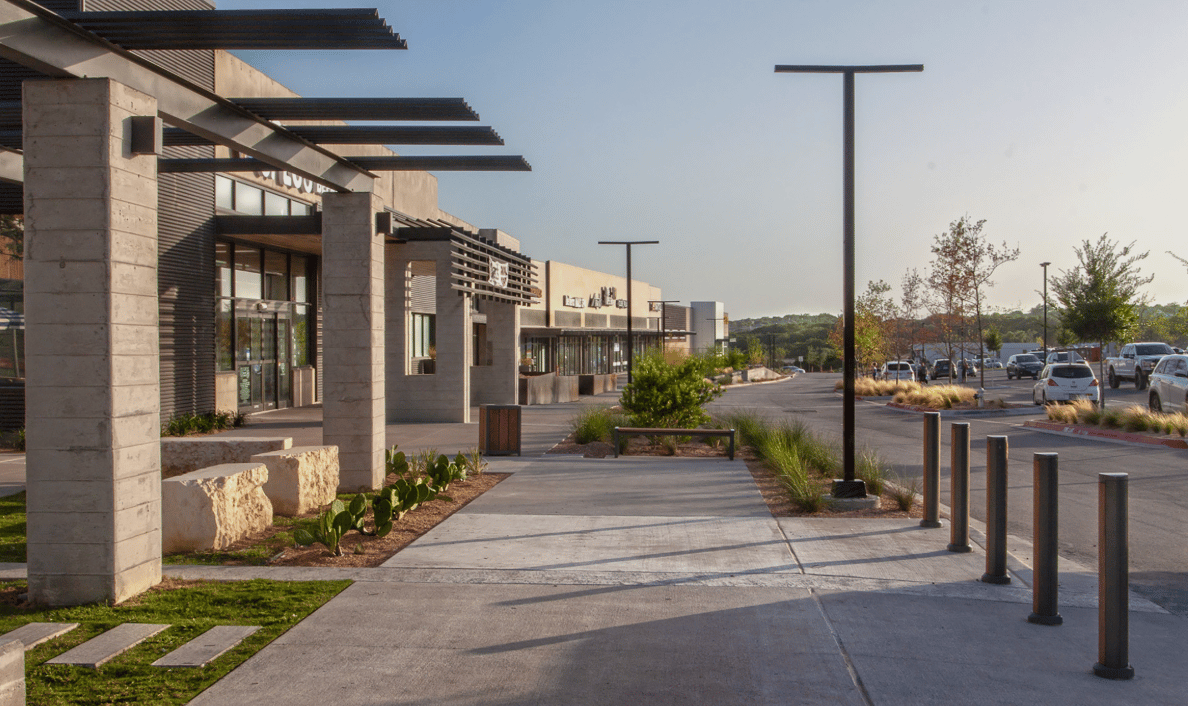
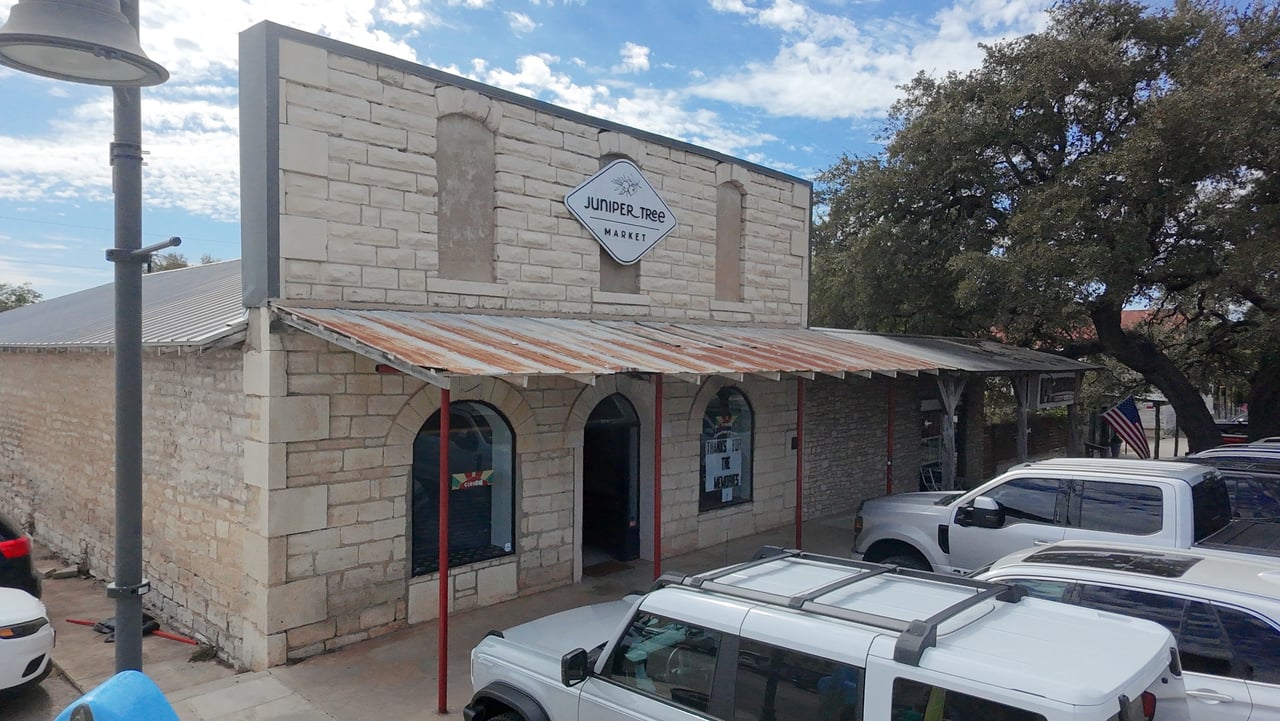
Commercial space along Highway 290 may offer different advantages than a property located near downtown Dripping Springs or along Ranch Road 12.
Businesses that depend on visibility and passing traffic may prioritize highly accessible retail locations.
Professional service businesses may prefer office spaces with convenient parking and a quieter environment.
Restaurants may need locations that support food service operations, deliveries, customer parking, and outdoor seating.
The best location isn't necessarily the most expensive or most visible property. It's the one that supports your business model and customer needs.
Retail, Office, and Industrial Spaces Have Different Costs
Commercial rental rates can vary significantly by property type.
Retail spaces may offer storefront visibility and access to neighboring businesses.
Office properties may provide private suites, shared facilities, or flexible floor plans.
Warehouse and industrial properties can have very different requirements, including loading access, ceiling heights, electrical capacity, and outdoor storage.
Comparing properties based only on price per square foot can be misleading when their features and operating expenses differ.
Don't Forget Build-Out Expenses
One of the biggest expenses business owners overlook is preparing a commercial space for occupancy.
Depending on your business, you may need to install plumbing, electrical improvements, interior walls, lighting, equipment, or specialized ventilation.
A restaurant opening in a former restaurant space may have different construction needs than one opening in an unfinished retail shell.
Before committing to a lease, discuss your plans with qualified contractors and confirm applicable permitting requirements.
Some landlords may offer tenant improvement allowances or other concessions, but these terms vary and should be negotiated before the lease is finalized.
Understand the Lease Term
Commercial leases often involve longer commitments than residential rental agreements.
A lease might include an initial term of several years, renewal options, rent increases, and requirements for maintaining the property.
Business owners should review provisions involving early termination, personal guarantees, signage, permitted uses, maintenance responsibilities, and assignment or subleasing.
An experienced commercial real estate professional and qualified attorney can help you understand the implications of the proposed agreement.
Plan for More Than Rent
When creating your business budget, include more than the advertised rental rate.
You may need to account for utilities, insurance, internet service, maintenance, signage, security deposits, and operating expenses.
For certain businesses, equipment installation and inspections can also represent significant startup costs.
Building a realistic budget before signing a lease can help prevent unexpected financial pressure.
Is Leasing or Buying Better?
Some business owners eventually consider purchasing commercial property instead of leasing.
Buying may offer greater control over the space and the possibility of building equity, but it also requires capital and introduces ownership responsibilities.
Leasing may offer more flexibility and a lower initial investment, depending on the property and terms.
The right decision depends on your finances, business plans, and long-term goals.
Find Commercial Space in Dripping Springs
Dripping Springs offers a variety of commercial property opportunities, from retail storefronts to office and industrial spaces.
At NestHaven Commercial, we help business owners evaluate locations, understand lease structures, and navigate the local commercial real estate market.
If you're considering leasing commercial space in Dripping Springs or the surrounding Hill Country, our team would love to help you explore your options.