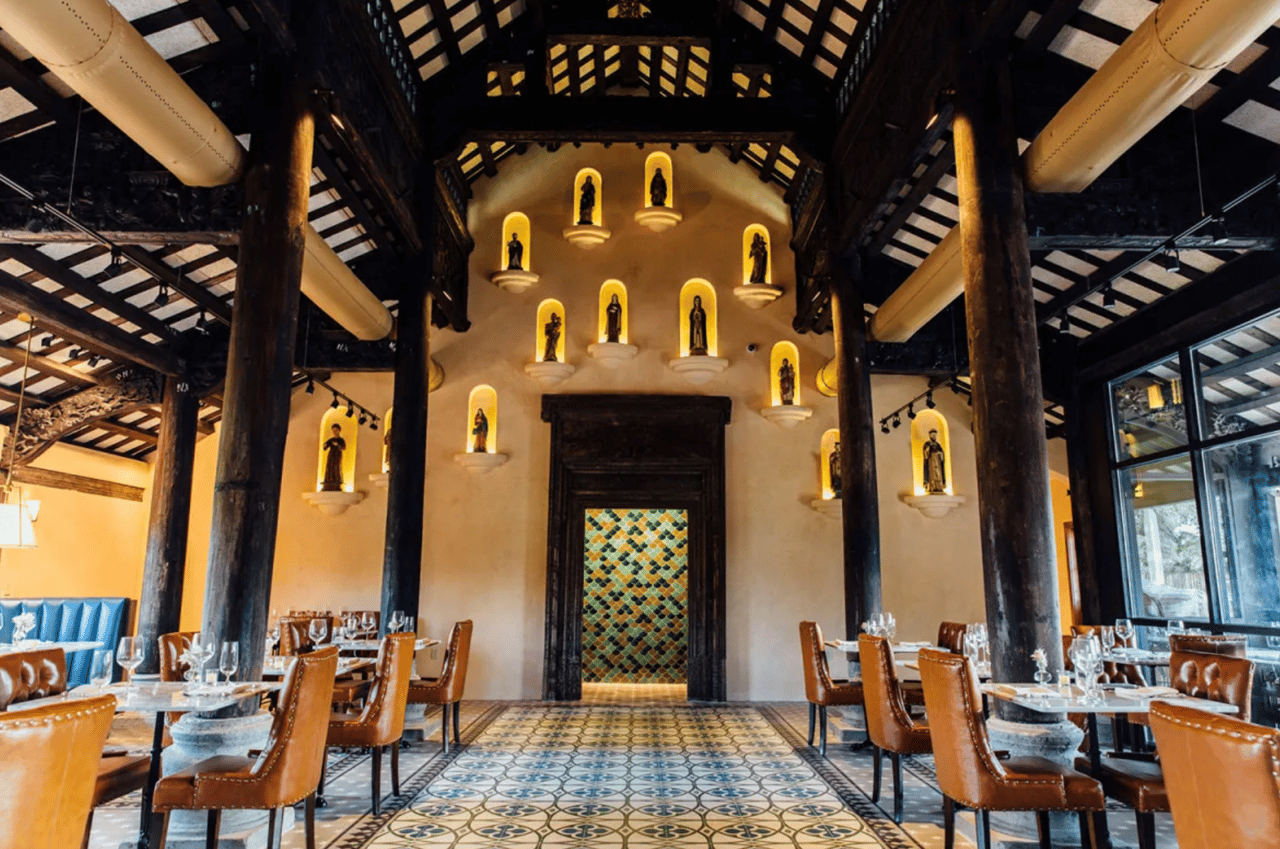
Why Dripping Springs Looks Different Than Other Texas Towns
One of the reasons people love Dripping Springs is because it still feels like a Hill Country town.
Unlike many rapidly growing communities that have embraced generic commercial development, Dripping Springs has intentionally preserved its unique character through thoughtful planning and zoning regulations.
Much of downtown Dripping Springs falls within what is known as the Hometown Commercial (HC) zoning district.
For property owners and business operators, understanding HC zoning is critical before purchasing, leasing, or redeveloping commercial property.
What Is Hometown Commercial Zoning?
The Hometown Commercial district was created to preserve the historic character and visual appeal of Dripping Springs.
Rather than allowing standardized commercial architecture, the city encourages development that reflects the area's Hill Country heritage.
The goal is to create a downtown environment that feels authentic, walkable, and visually cohesive.
Why Investors Need to Pay Attention
Many buyers assume zoning simply determines land use.
In reality, Hometown Commercial zoning often regulates:
Building materials
Architectural styles
Exterior colors
Signage
Landscaping
Lighting
Site layout
These requirements can influence both project costs and development timelines.
The Design Review Process
Projects within HC zoning often undergo detailed review by city staff and decision-makers.
The review process may evaluate:
Building appearance
Streetscape compatibility
Sign design
Pedestrian accessibility
Parking placement
Landscaping plans
This process helps preserve the character of downtown but can add complexity for developers unfamiliar with local regulations.
Signage Restrictions
Signage is one of the most heavily regulated elements within the district.
Business owners may face limitations on:
Sign size
Illumination
Placement
Materials
Branding elements
National franchises sometimes encounter challenges because standard corporate branding packages do not always align with local design requirements.
Redevelopment Opportunities Still Exist
While HC zoning creates additional requirements, it also helps protect property values.
The character and charm that attract residents, tourists, and visitors are part of what makes downtown commercial properties valuable.
Investors who understand the regulations often discover unique redevelopment opportunities that benefit from limited competition and strong consumer demand.
Why Local Expertise Matters
Many commercial projects experience delays because buyers underestimate the review process.
Before acquiring downtown property, investors should understand:
Zoning requirements
Design standards
Approval timelines
Parking regulations
Historic considerations
Working with local professionals can significantly reduce risk.
The Bottom Line
Downtown Dripping Springs remains one of the most desirable commercial districts in the Texas Hill Country.
However, success requires understanding the rules that help preserve its character.
For investors and business owners, Hometown Commercial zoning should be viewed as both a responsibility and an opportunity.
Looking at Downtown Commercial Property?
NestHaven Commercial helps investors, business owners, and developers navigate zoning regulations and identify opportunities throughout Dripping Springs. Contact our team today to learn more.