Leave a Message

Thank you for your message. We will be in touch with you shortly.

Commercial Real Estate Guide

Overview of the Commercial Market

main

Market Evolution: Dripping Springs

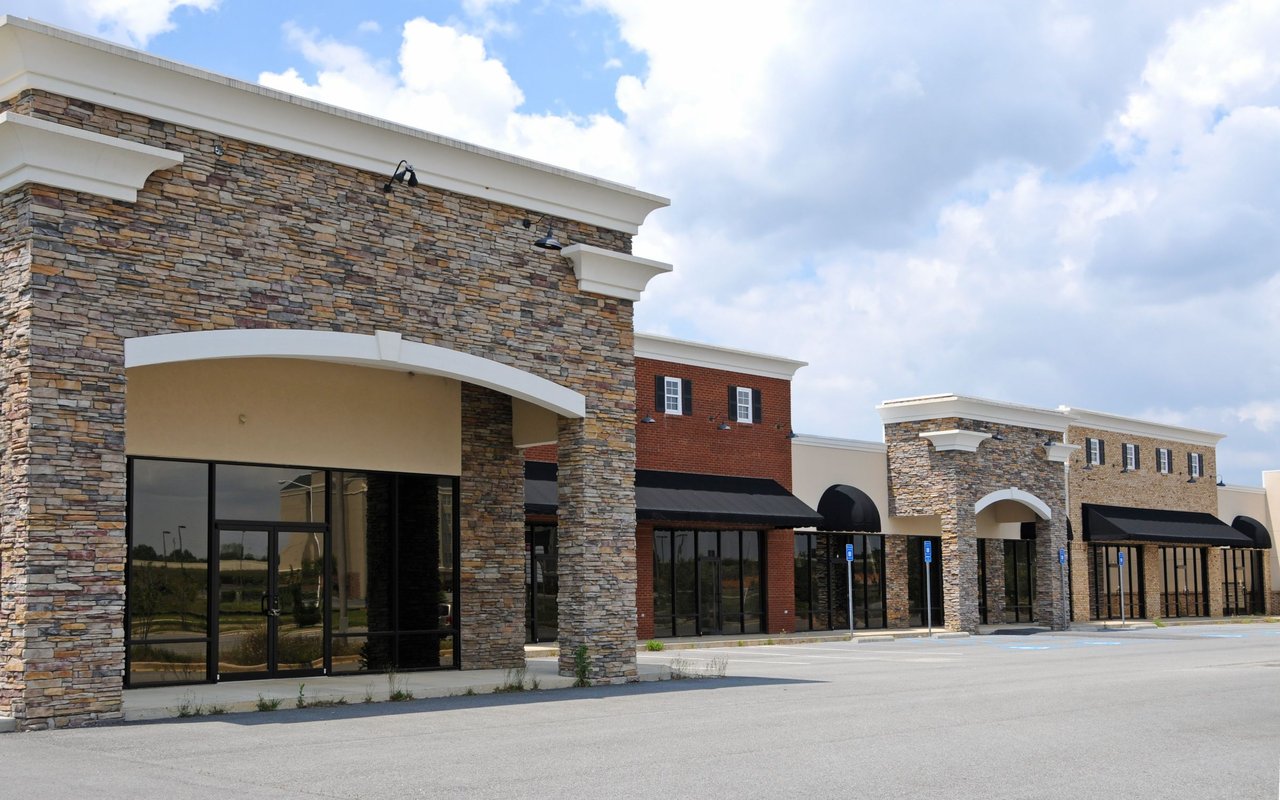
Dripping Springs commercial real estate has evolved significantly as population growth continues west of Austin along the Highway 290 corridor. Once considered a rural outpost, the market now reflects steady demand for retail space, office space, mixed-use development, and commercial land.

Inventory remains constrained relative to demand, creating selective but durable opportunity.
main

Highway 290 Corridor Analysis

The 290 corridor is the primary commercial spine of Dripping Springs. Visibility, access, and traffic flow make frontage along this corridor particularly valuable.

Key Considerations:
  • Zoning Overlays
  • Infrastructure and Utility Capacity
  • Access Points and Traffic Patterns
  • Proximity to Residential Growth

Commercial land along Highway 290 often commands premium pricing due to limited supply.

Retail & Office Market Trends

main

Commercial Sector Dynamics

Retail and service-oriented businesses continue expanding to meet local population demand. Key retail growth includes:
  • Restaurants
  • Medical and Wellness Providers
  • Professional Services
  • Local and Regional Retail Operators

Office space in Dripping Springs remains smaller in scale compared to Austin, but continues to expand in response to business migration westward.

Commercial Land Trends

main

Sustainable Land Development

Commercial land in Dripping Springs is influenced by:
  • Development Restrictions 
  • Environmental Considerations 
  • Infrastructure Timelines 
  • Long-Term Corridor Planning 

Pricing trends depend heavily on frontage, entitlement status, and access to utilities.

Navigating Hill Country Growth

main

Investment Outlook

Investment property in Dripping Springs often trades on long-term growth expectations rather than short-term yield compression.

Investors Evaluating Commercial Real Estate in Dripping Springs Should Consider:
  • Tenant Stability
  • Lease Structure
  • Corridor Visibility
  • Population Growth Projections
  • Replacement Cost Dynamics
main

Zoning & Development Considerations

Development in Dripping Springs Requires Awareness Of:
  • City vs. ETJ Jurisdiction
  • Site Planning Regulations
  • Environmental Constraints
  • Infrastructure Phasing

Understanding these variables is critical before acquiring commercial land or repositioning property.

Why Local + Structured Matters

Dripping Springs requires local awareness and investment discipline. That combination defines NestHaven Commercial’s approach.
Schedule a Call

Work With Us

We understand that commercial success in Dripping Springs requires deep local insight. We leverage our extensive network and market knowledge to uncover off-market deals and navigate complex zoning landscapes for our clients. Connect with us to secure the perfect location for your business or investment portfolio.

Follow Us on Instagram